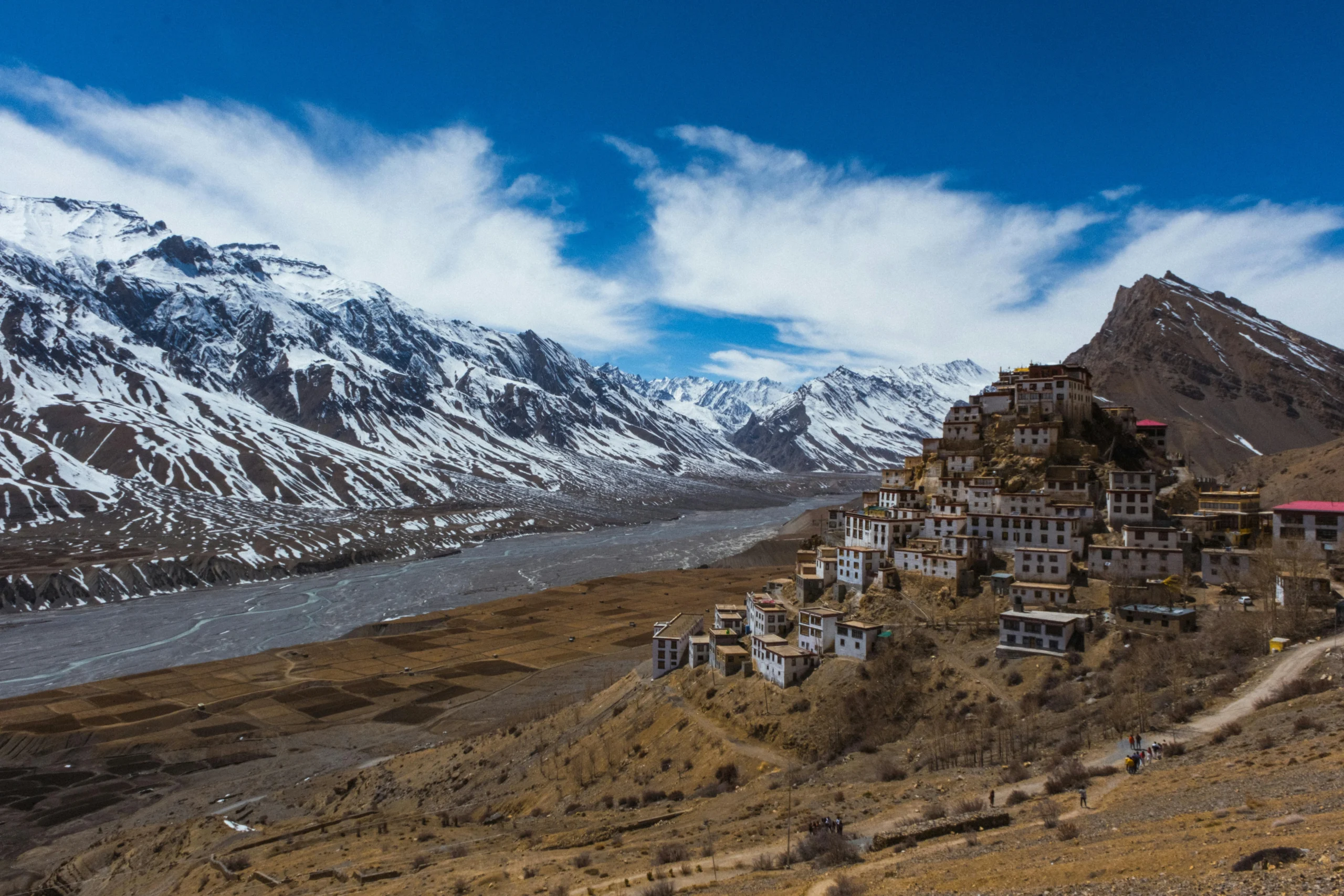
Spiti Valley is India’s most stunning high-altitude cold deserts, known for its ancient culture, raw mountain beauty and peaceful villages. Located at over 12,500 ft, it’s a journey like no other.
In this travel guide, you’ll find routes, the best time to visit, itineraries, essential travel tips for 2025.
About Spiti Valley
“Spiti” means “The Middle Land” — the land between India and Tibet.
The region is known for:
- barren but breathtaking mountains
- some of the world’s highest motorable villages
- ancient monasteries like Key & Tabo
- crystal-clear skies & starry nights
- peaceful Buddhist culture
Why Visit Spiti Valley?
Spiti offers a unique travel experience you won’t find anywhere else in India:
- Long valley with a beautiful river
- Less crowded than Manali & Shimla
- Perfect for road-trip lovers
- The astonishing brown and white barren mountain
- Deep history & ancient culture
- The iconic Chicham Bridge — Asia’s highest suspension bridge
- snow leopard sightings in winter (Kibber region)
Best Time to Visit Spiti Valley (2026)
Summer (Mid-May to Early July) — BEST TIME
- Roads open and weather is pleasant
- Safe for beginners
- Manali–Kaza route usually opens by late May
- All villages accessible
Monsoon (Late July to August) — Avoid
- Spiti itself gets very little rain (cold desert)
- BUT the roads to Spiti (especially Kinnaur & Manali side) face landslides
- Not recommended for first-time travellers
Autumn (September) — Great Time to Visit
- Clear skies
- Beautiful landscapes
- Roads stabilize after monsoon
- One of the safest months
Winter (October to February) — Only for Experienced Travellers
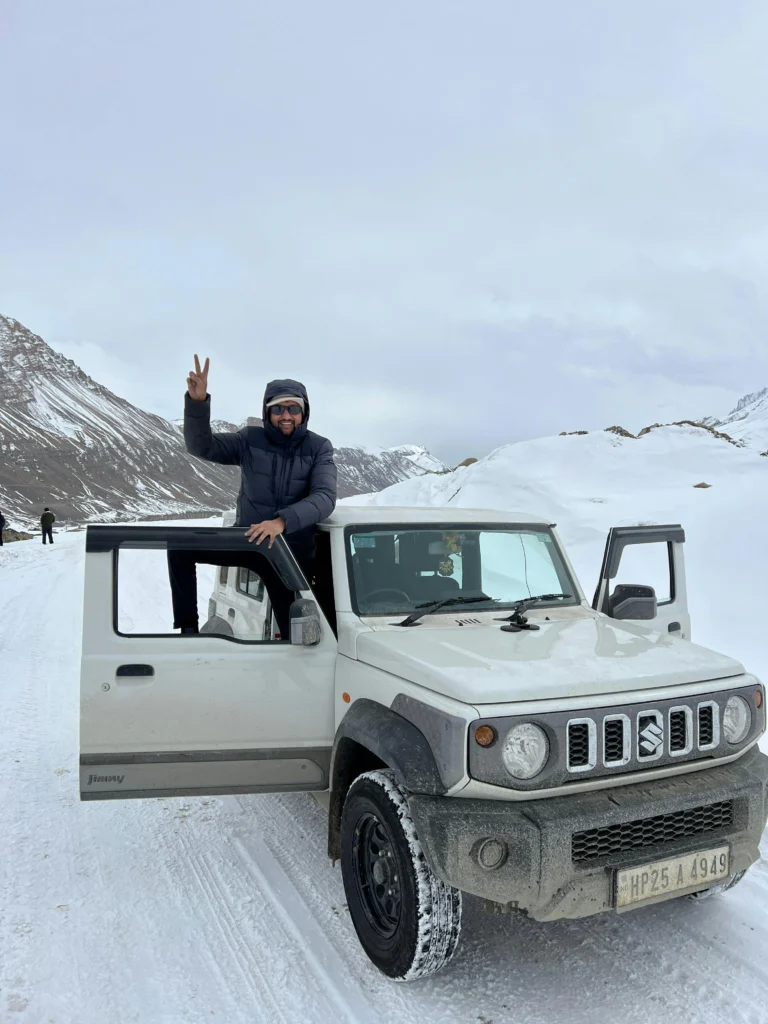
- Extreme cold (-10°C to -30°C)
- Many homestays close
- Roads may shut after snow
- Snow leopard sighting season
Best Months:
June, early July, and September.
How to Reach Spiti Valley
There are two routes to enter Spiti:
1. Shimla → Kinnaur → Spiti (OPEN ALL YEAR)
Best and safest route.
Smooth roads + no altitude shock.
2. Manali → Atal Tunnel → Kunzum Pass → Spiti (OPEN MAY–OCT)
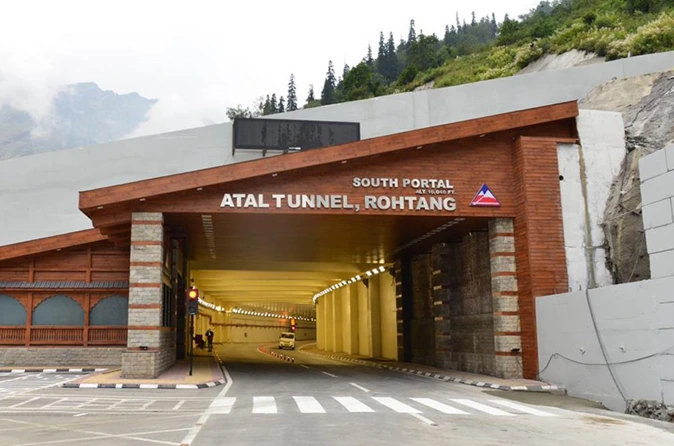
More adventurous but high chances of road closures.
Only recommended in summer.
Top Places to Visit in Spiti Valley
1. Key Monastery
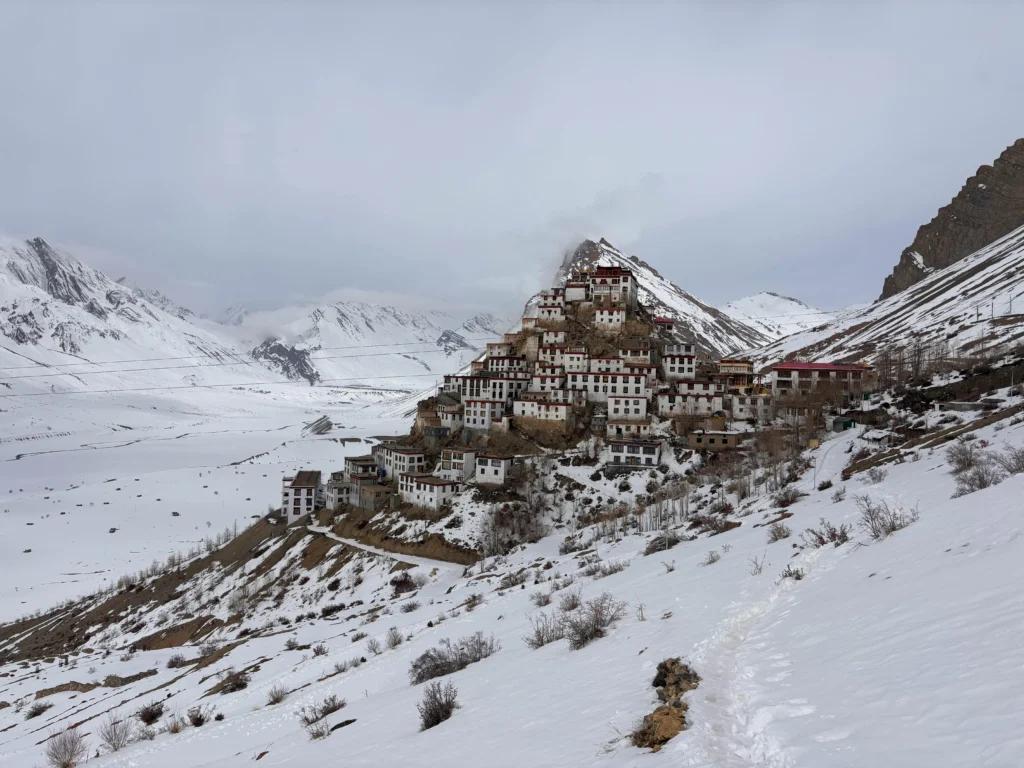
The most iconic monastery of Spiti with stunning hilltop views.
2. Chicham Bridge
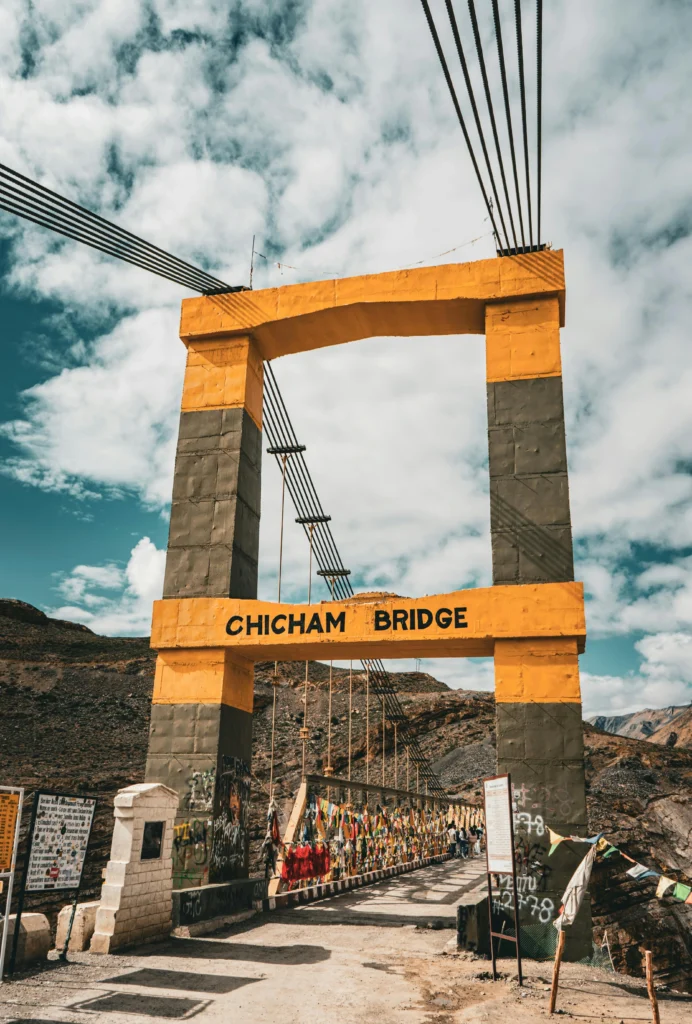
Asia’s highest suspension bridge — an adventure spot with dramatic cliffs.
3. Kibber Village
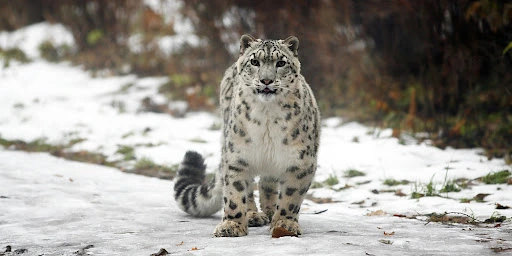
One of the highest motorable villages and the base for Snow Leopard expeditions.
Home to blue sheep, ibex and spotted foxes — a paradise for wildlife lovers.
4. Hikkim
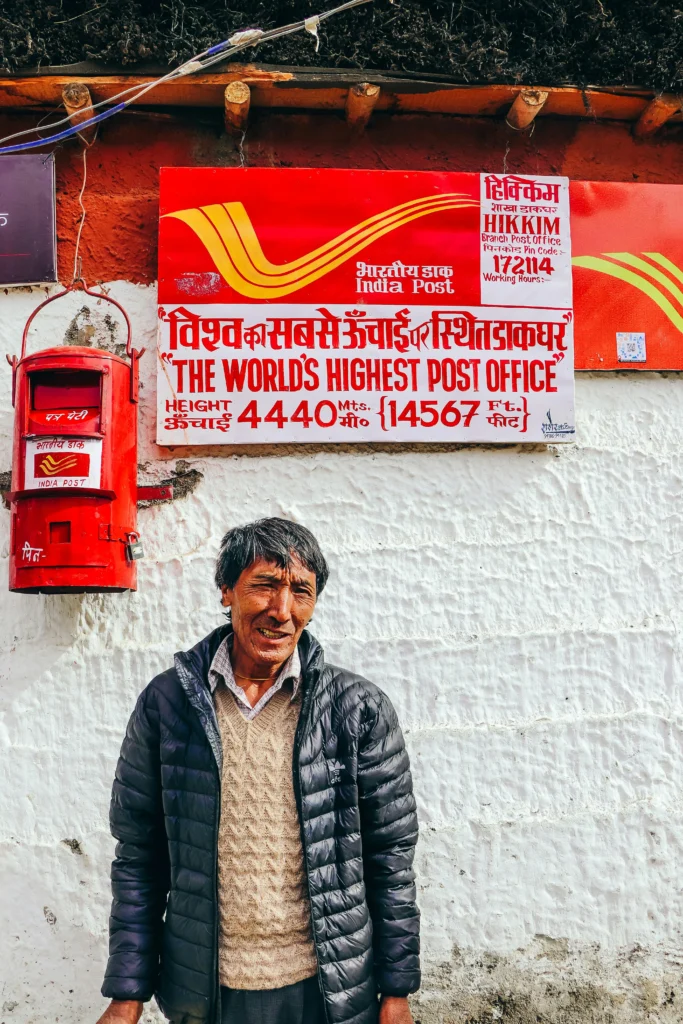
Famous for having the world’s highest post office.
5. Komic (Komic Village)
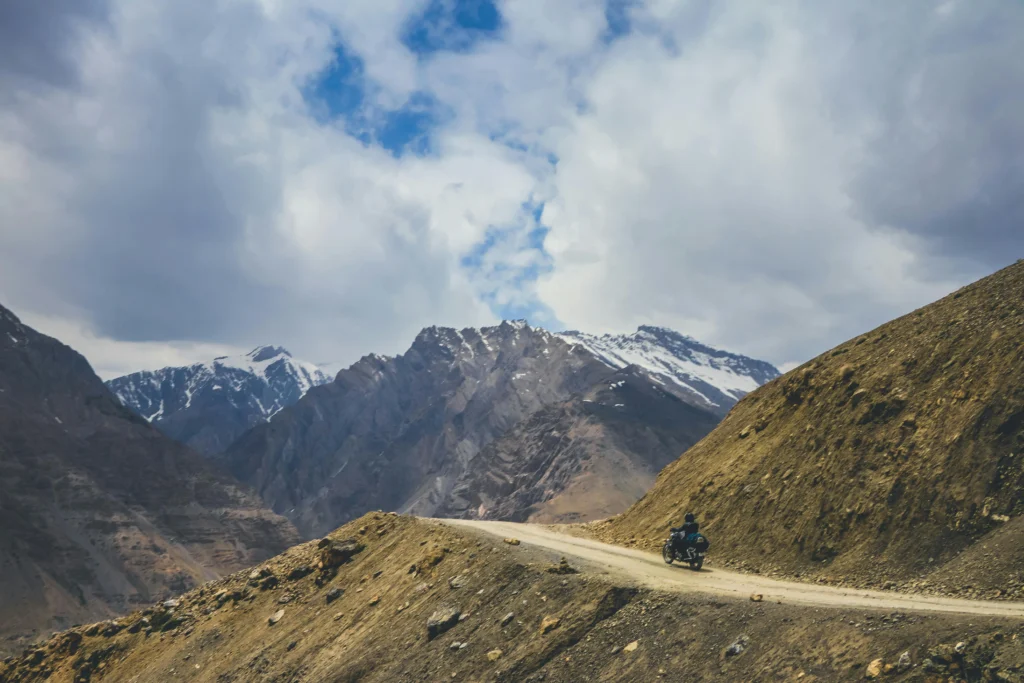
The highest motorable village in the world — peaceful and scenic.
6. Langza
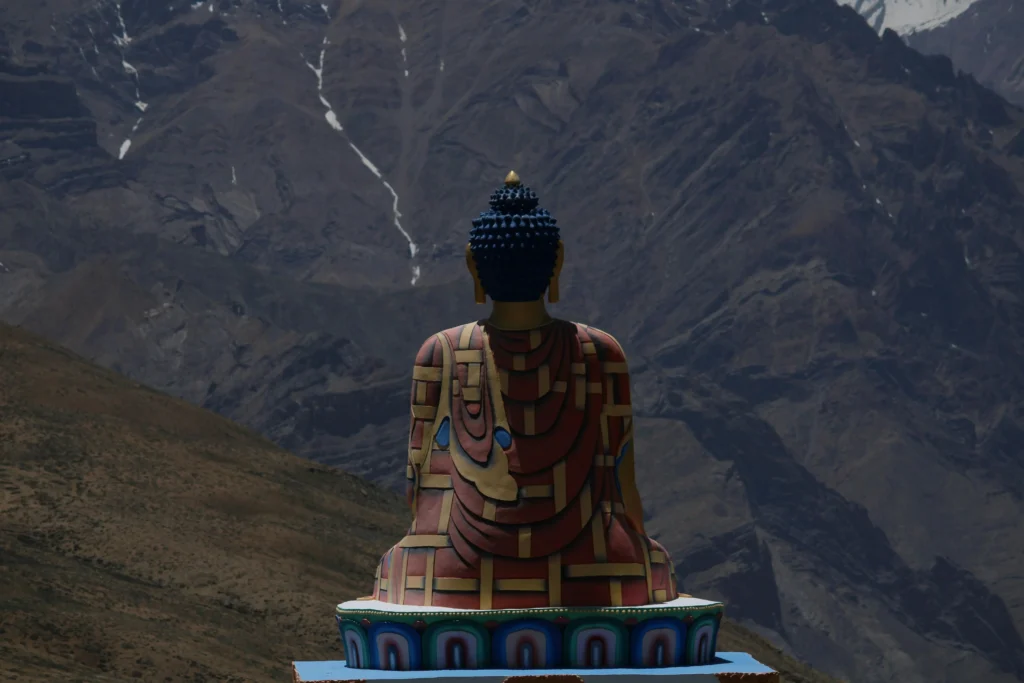
Known for ancient fossils and the massive Buddha statue overlooking the valley.
7. Dhankar Monastery
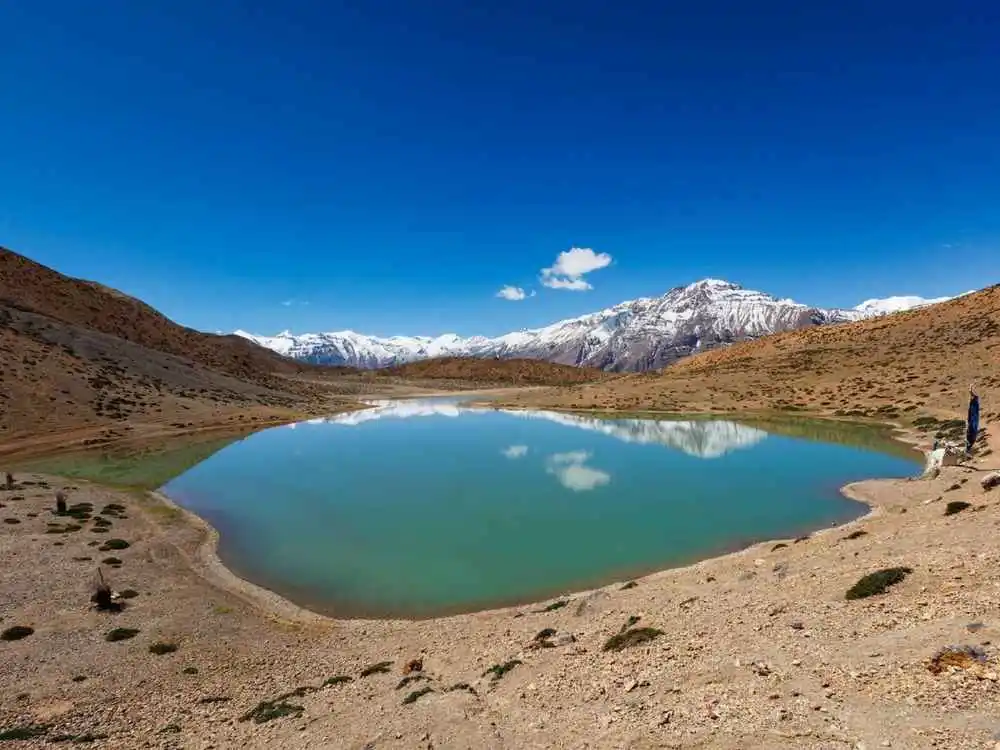
A dramatic cliff-side monastery with an adventurous trek to Dhankar Lake.
8. Tabo Monastery
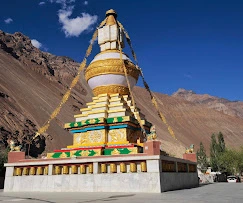
A 1000-year-old monastery and UNESCO heritage site — one of the oldest in Himachal.
Food in Spiti Valley
- Thukpa – Warm, comforting Tibetan noodle soup perfect for the cold.
- Momos
- Churru Cow Ghee – Made from high-altitude cow–yak hybrids; rich, aromatic and very nutritious.
- Sea Buckthorn (Fruit, Tea & Juice) – The Himalayan golden berry; high in vitamin C and antioxidants.
- Hot Maggie
- Local Home Food – Simple dal-chawal, roti-sabzi, butter tea and homemade pickles served in homestays.
Where to Stay
Spiti offers homestays, guesthouses and small boutique hotels.
⭐ Best places to stay
- Kee – Budget hotels, hostels, cafés.
- Kibber – Wildlife homestays.
- Tabo – Peaceful monasteries & traditional stays.
- Mud Village (Pin Valley) – Nature-focused stays.
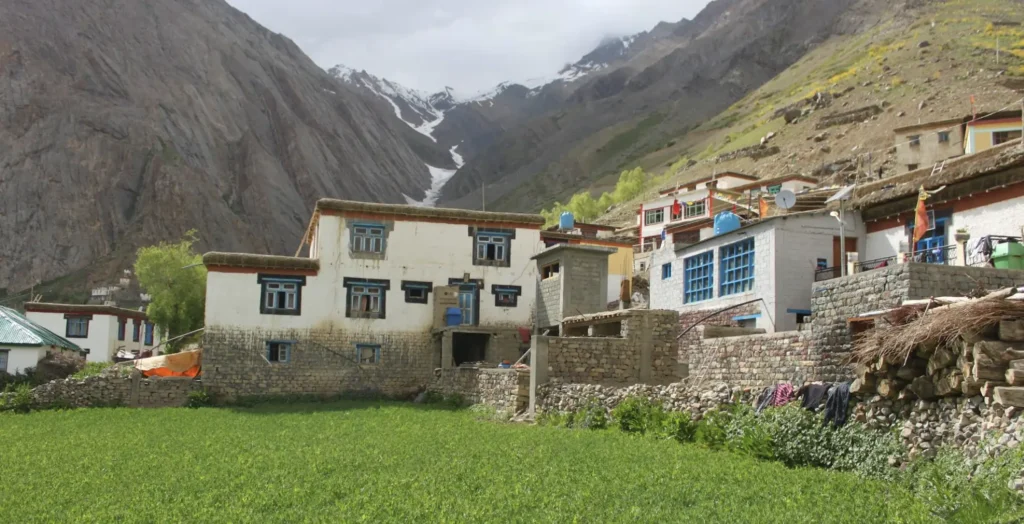
Homestays give the best cultural experience — warm food, local stories, and real Spiti hospitality.
Essential Travel Tips for Spiti (IMPORTANT)
✔ High Altitude
- Take it slow for 24 hours
- Don’t take Bath on first day
- Stay hydrated
- Avoid heavy food on Day 1
- Don’t sleep at very high villages on the first night
✔ Roads
- Always check weather & road status
- Avoid night driving
- Carry a basic car toolkit
✔ Mobile Network
- Only BSNL works everywhere
- Jio works in Kaza
- Airtel/Vodafone fall weak
✔ Health & Safety
Carry medicines for AMS
Keep cash (no ATMs in many villages)
Conclusion
Spiti Valley is not just a destination — it’s an experience that stays with you forever. The roads, the silence, the mountains, and the people make Spiti a journey of self-realization. If you love raw landscapes and peaceful travel, Spiti should be at the top of your list.
Read more travel stories and guides on my Travel Blog Homepage.